

Anyone who has worn a fitness tracker or checked the health dashboard on a smartphone has encountered the two numbers side by side: total calories and active calories. At first glance, the distinction appears straightforward. One reflects the energy burned throughout the day; the other accounts for calories expended during physical activity. Yet the practical implications of those figures — for weight management, performance, metabolic health, and even psychological perception of effort — are more layered than the digital display suggests.
Understanding the difference requires stepping beyond the simplified summaries offered by wearable devices and examining how the body actually consumes energy. The human organism burns calories continuously, whether walking briskly, typing at a desk, digesting food, or sleeping. Some of that energy expenditure results from deliberate movement. A significant portion, however, occurs quietly in the background.
What Total Calories Really Represent
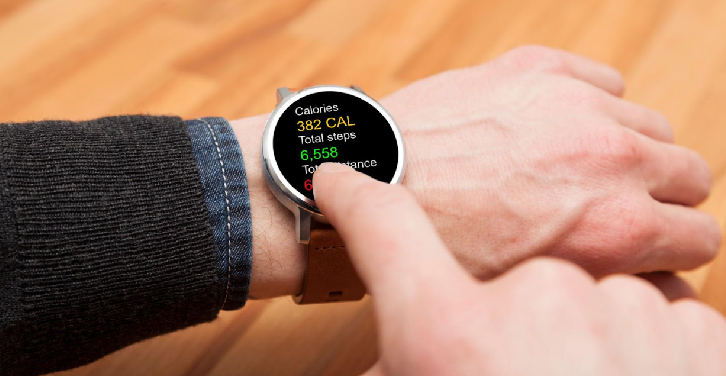
Total calories burned in a day include every unit of energy the body uses to sustain life and movement. That figure is typically composed of three main components:
- Basal Metabolic Rate (BMR)
This represents the energy required to maintain essential physiological functions at rest — breathing, circulation, organ function, cellular repair, and temperature regulation. For most individuals, BMR accounts for 60 to 70 percent of daily energy expenditure. - Thermic Effect of Food (TEF)
Digesting and metabolizing nutrients requires energy. Protein digestion, for example, demands more energy than fat digestion. TEF generally contributes around 5 to 10 percent of total daily calories burned. - Activity Energy Expenditure
This includes structured exercise and non-exercise activity thermogenesis (NEAT) — small movements such as standing, walking, fidgeting, and household tasks.
When a fitness tracker displays “total calories,” it estimates all three components combined. The calculation is derived from algorithms that use age, sex, height, weight, heart rate, and motion data. The number is not a direct measurement but a statistical approximation.
For someone seeking weight loss or maintenance, total daily energy expenditure (TDEE) matters because it determines how many calories must be consumed to maintain body weight. A caloric deficit — consuming fewer calories than total expenditure — leads to weight loss over time.
The Meaning of Active Calories

Active calories represent the portion of energy burned above the resting baseline. They are tied specifically to movement and measurable exertion. When someone runs five kilometers, cycles uphill, completes a weight training session, or participates in a yoga class, the calories expended during those activities are categorized as active calories.
Importantly, active calories exclude basal metabolic rate. Even if a person remains entirely sedentary, the body continues to burn calories for survival; those calories count toward total expenditure but not active expenditure.
Wearables calculate active calories primarily through accelerometers and heart rate data. Increased heart rate combined with motion signals greater exertion. However, estimations can vary widely depending on device quality, algorithm sophistication, and individual physiology. Strength training, for instance, often burns fewer calories during the session than cardio, yet its metabolic impact may extend beyond the workout due to muscle repair and adaptation.
Why the Distinction Matters for Weight Management
Many individuals fixate on active calories because they appear within direct control: a workout can increase the number displayed on the screen. The temptation is to equate a high active calorie count with accelerated fat loss. This assumption overlooks the fact that active calories usually represent a smaller fraction of total daily expenditure than expected.
Consider an individual whose BMR is 1,600 calories per day. If that person burns 400 active calories through exercise and daily movement, total daily expenditure reaches roughly 2,000 calories before accounting for TEF. The workout contributes meaningfully, yet the majority of energy use stems from baseline metabolism.
This perspective reframes the narrative. Exercise supports weight management, cardiovascular health, insulin sensitivity, mood regulation, and muscular strength. However, relying exclusively on active calorie burn to offset high caloric intake often leads to frustration. Burning 500 calories may require a sustained, vigorous workout. Consuming 500 calories can occur in minutes.
Sustainable weight regulation emerges from the interplay between total calorie expenditure and consistent dietary habits, rather than from a single workout session.
The Role of Non-Exercise Activity Thermogenesis (NEAT)
An often overlooked contributor to total calories is NEAT — the energy expended through ordinary movement outside structured exercise. Standing instead of sitting, walking during phone calls, climbing stairs, gardening, cleaning, and even subtle posture shifts accumulate over time.
Two individuals with identical workouts may display different total calorie expenditures because one remains physically active throughout the day while the other remains largely sedentary outside the gym. The difference can amount to several hundred calories.
NEAT does not usually register prominently as “active calories” in device summaries, especially if movements are low intensity. Yet over weeks and months, its influence on body composition becomes significant.
Professionals working in office environments often underestimate the metabolic cost of prolonged sitting. A deliberate effort to incorporate movement into daily routines can meaningfully increase total daily energy expenditure without adding additional formal workouts.
Accuracy and Limitations of Wearable Devices
While fitness trackers provide valuable feedback, their calorie estimations involve predictive modeling rather than direct measurement. Gold-standard metabolic assessment requires laboratory equipment such as indirect calorimetry or doubly labeled water testing, neither of which is practical for everyday use.
Studies examining wearable accuracy reveal variability. Some devices overestimate active calories during certain activities; others underestimate. Heart rate-based calculations may misinterpret stress or caffeine-induced elevation as exertion. Weight training, characterized by brief intense bursts followed by rest, can challenge algorithms calibrated primarily for steady-state cardio.
For most users, the relative consistency of measurements matters more than perfect accuracy. If a device consistently estimates active calories within a predictable range, trends become informative even if the absolute number deviates from laboratory values.
Relying on wearable data as a directional guide, rather than as an exact metabolic ledger, preserves perspective.
Metabolism, Muscle Mass, and Long-Term Energy Expenditure
Muscle tissue requires more energy to maintain than adipose tissue. Individuals who engage in resistance training may gradually increase their resting metabolic rate, thereby raising total calorie expenditure without altering active calorie sessions dramatically.
This nuance illustrates why the distinction between total and active calories can mislead if interpreted narrowly. A person might burn fewer active calories during a strength session than during a long run, yet over time, increased lean mass contributes to higher baseline energy demands.
Metabolic adaptation also plays a role. During prolonged caloric restriction, the body may reduce energy expenditure, partly through hormonal changes and reduced spontaneous movement. Total calorie burn decreases even if active workouts remain unchanged. This phenomenon explains plateaus experienced during weight loss efforts.
Understanding these physiological dynamics transforms calorie tracking from a simplistic arithmetic exercise into a broader metabolic conversation.
Psychological Effects of Calorie Tracking
The visibility of active calories can motivate consistent movement. Watching the number climb during a workout reinforces effort and creates measurable feedback. For some, this fosters adherence to exercise routines.
However, an exclusive focus on active calories may encourage transactional thinking: “I burned 600 calories, so I can eat 600 extra.” This approach overlooks the complexity of appetite regulation and the variability of calorie burn estimates. It may also promote compensatory overeating, particularly after intense workouts.
Total calorie awareness encourages a more comprehensive view of energy balance. Rather than treating exercise as a currency exchange, it frames movement as one component of a broader lifestyle pattern.
Mental well-being intersects with these metrics. Individuals prone to obsessive tracking may benefit from periodic breaks from numerical monitoring, emphasizing performance goals or subjective measures of energy and recovery instead.
Practical Guidance for Interpreting Both Numbers
For individuals aiming to manage weight or improve fitness, a balanced interpretation proves most effective:
- Use total calories to estimate maintenance needs and calibrate dietary intake.
- Use active calories to monitor consistency and intensity of physical activity.
- Track weekly trends rather than day-to-day fluctuations.
- Prioritize resistance training and daily movement alongside cardio.
- Recognize that sleep quality, stress, and hormonal factors influence total expenditure.
Athletes preparing for endurance events may monitor active calories closely to ensure adequate fueling. Individuals focused on fat loss may concentrate on total energy balance. Context determines emphasis.
No single number defines health. Cardiovascular markers, strength progression, blood glucose regulation, recovery quality, and overall vitality offer equally meaningful indicators.
Frequently Asked Questions
- Are active calories included in total calories?
Yes. Active calories are part of total daily calorie expenditure. Total calories include basal metabolic rate, thermic effect of food, and active calories combined. - Which number should I focus on for weight loss?
Total daily calorie expenditure is more important for weight loss, since body weight changes depend on overall energy balance rather than exercise calories alone. - Why do my active calories seem lower during strength training?
Strength training often involves short bursts of effort with rest periods. Devices may estimate fewer active calories compared to steady-state cardio, even though muscle repair increases metabolic demand afterward. - Can I eat back my active calories?
It depends on your goal. For weight maintenance or athletic performance, replacing active calories may be appropriate. For fat loss, maintaining a modest deficit is generally necessary. - Are fitness trackers accurate for calorie counting?
They provide estimates rather than precise measurements. While not perfectly accurate, they are useful for identifying trends over time.