

Anyone who has tried to improve body composition — whether the goal is fat loss, muscle gain, or performance — eventually encounters the term “macros.” Short for macronutrients, the concept refers to the three primary nutrients that provide energy: protein, carbohydrates, and fats. Unlike calorie counting alone, macro tracking introduces structure, proportion, and intent into dietary planning.
Yet the conversation around macros often becomes either oversimplified or unnecessarily technical. Some treat macro calculation as a rigid mathematical exercise; others dismiss it as a trend. In reality, understanding how to calculate macros offers a practical framework for aligning nutrition with physiology, activity level, and long-term goals.
Understanding What Macros Actually Represent
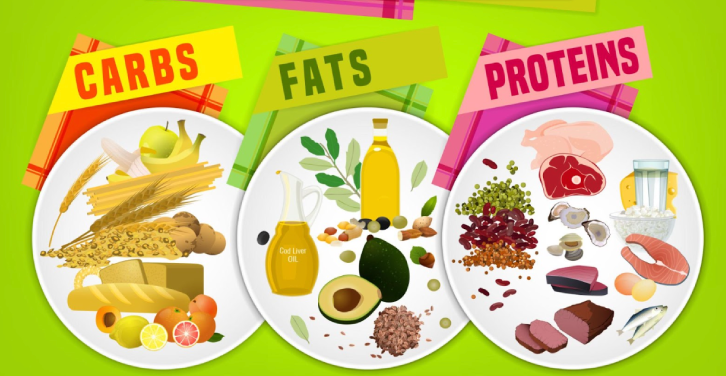
Macronutrients are the building blocks of dietary energy. Each plays a distinct biological role:
- Protein supports muscle repair, enzyme production, immune function, and hormonal balance.
- Carbohydrates provide readily available energy, particularly for high-intensity activity and brain function.
- Fats regulate hormones, aid nutrient absorption, and supply concentrated energy.
Each macronutrient contributes a specific caloric value per gram:
- Protein: 4 calories per gram
- Carbohydrates: 4 calories per gram
- Fat: 9 calories per gram
Alcohol, though sometimes included in macro discussions, provides 7 calories per gram but lacks nutritional necessity.
When people speak of “hitting their macros,” they mean consuming specific gram targets of protein, carbohydrates, and fats within a daily calorie budget designed for their objective.
Step 1: Determine Total Daily Calorie Needs
Macro calculation begins with calories. Without establishing total energy requirements, macro distribution becomes guesswork.
Total Daily Energy Expenditure (TDEE) represents the number of calories burned in a day, combining:
- Basal Metabolic Rate (BMR)
- Physical activity
- Thermic effect of food
- Non-exercise activity (walking, standing, daily movement)
To estimate BMR, one widely used formula is the Mifflin-St Jeor equation:
For men:
BMR = (10 × weight in kg) + (6.25 × height in cm) – (5 × age) + 5
For women:
BMR = (10 × weight in kg) + (6.25 × height in cm) – (5 × age) – 161
Multiply BMR by an activity factor:
- Sedentary: ×1.2
- Lightly active: ×1.375
- Moderately active: ×1.55
- Very active: ×1.725
- Extremely active: ×1.9
The result approximates TDEE.
From there, adjust according to goal:
- Fat loss: subtract 10–20%
- Muscle gain: add 5–15%
- Maintenance: remain at TDEE
Aggressive deficits often compromise muscle retention and hormonal balance. Moderate adjustments yield more sustainable results.
Step 2: Set Protein Intake First

Protein deserves priority because it influences muscle preservation, satiety, and metabolic rate. A common guideline:
- Fat loss or muscle retention: 0.7–1.0 grams per pound of body weight
- Muscle gain: 0.8–1.2 grams per pound
- General health: 0.6–0.8 grams per pound
For example, a 170-pound individual aiming to lose fat might target 150 grams of protein daily.
Since protein contains 4 calories per gram:
150 grams × 4 = 600 calories from protein
Those 600 calories are subtracted from the total daily calorie target before distributing fats and carbohydrates.
Step 3: Assign Dietary Fats
Fats play a regulatory role in hormone production, particularly testosterone and estrogen balance. Extremely low-fat diets often disrupt metabolic function.
A practical range:
- 0.3–0.4 grams per pound of body weight
For a 170-pound person:
170 × 0.35 = approximately 60 grams of fat
60 grams × 9 calories = 540 calories from fat
At this point, protein and fat calories are accounted for.
Step 4: Allocate Remaining Calories to Carbohydrates
Carbohydrates absorb the remaining caloric allotment.
If total daily calories are 2,200 and we’ve allocated:
- 600 calories from protein
- 540 calories from fat
That totals 1,140 calories.
2,200 – 1,140 = 1,060 calories remaining for carbohydrates
Since carbs contain 4 calories per gram:
1,060 ÷ 4 = 265 grams of carbohydrates
Final macro breakdown:
- Protein: 150g
- Fat: 60g
- Carbs: 265g
This structured approach ensures adequate protein, sufficient fat for hormonal stability, and carbohydrate flexibility based on energy demands.
Macro Ratios vs. Gram Targets
Some nutrition plans emphasize ratios such as 40% carbs, 30% protein, 30% fat. While ratios can serve as broad frameworks, gram targets tend to provide more individualized precision, especially for athletes or those pursuing body recomposition.
Body weight, lean mass, training intensity, and metabolic variability render rigid percentage-based systems less adaptable. Starting with protein and fat minimums, then adjusting carbohydrates according to caloric goals, produces a more responsive model.
Adjusting Macros Over Time
Macro calculation is not static. Weight fluctuations, plateaus, changes in training intensity, and metabolic adaptation require periodic reassessment.
Signs that adjustment may be necessary include:
- Weight loss stalls for three consecutive weeks
- Energy levels decline persistently
- Recovery from workouts worsens
- Hunger becomes unmanageable
In fat loss phases, reducing 100–150 calories, typically from carbohydrates, often reinitiates progress. During muscle-building phases, modest caloric increases support performance without excessive fat gain.
Regular tracking provides data, not judgment. Numbers function as feedback rather than verdicts.
Tracking Macros Accurately
Accuracy matters more than perfection. Common tracking methods include:
- Food scale measurement in grams
- Nutrition tracking apps
- Reading nutrition labels
- Estimating restaurant meals conservatively
Weighing food initially builds portion awareness. Over time, individuals develop intuitive approximations. Underestimating caloric intake remains one of the most frequent obstacles to progress.
Fiber and sugar alcohols may affect net carbohydrate calculations, particularly in low-carb approaches. For general macro tracking, total carbohydrates suffice unless following specialized protocols.
Special Considerations
For Fat Loss
Higher protein intake supports satiety and muscle preservation. Carbohydrates may be reduced, though eliminating them entirely is unnecessary for most individuals. Consistency outweighs dietary extremism.
For Muscle Gain
Carbohydrates support glycogen replenishment and training intensity. Slight caloric surpluses prevent excessive fat accumulation. Patience defines effective bulking; rapid weight gain rarely translates exclusively into muscle tissue.
For Endurance Athletes
Carbohydrate needs increase significantly. Glycogen depletion impairs performance. Protein remains steady, fats moderate.
For Hormonal Health
Extremely low-fat diets may disrupt endocrine function, especially in women. Maintaining adequate dietary fat protects long-term metabolic resilience.
Common Misconceptions About Macros
One misconception equates flexible macro tracking with unlimited food choices. While technically possible to meet macro targets with processed foods, micronutrient quality and fiber intake matter. Macronutrients govern energy balance; micronutrients govern physiological integrity.
Another misconception assumes macro tracking must be permanent. Many individuals use it temporarily to develop awareness, then transition to intuitive eating once portion control becomes second nature.
Finally, macro precision does not eliminate the importance of meal timing, hydration, sleep, and stress management. Physiology operates holistically.
Sample Macro Calculation (Full Example)
Consider a 35-year-old woman:
- Weight: 150 lbs
- Height: 165 cm
- Moderately active
- Goal: Fat loss
Step 1: Calculate BMR
(10 × 68kg) + (6.25 × 165) – (5 × 35) – 161
= 680 + 1,031 – 175 – 161
= 1,375 calories (approx.)
Multiply by activity factor (1.55):
1,375 × 1.55 ≈ 2,131 calories
Apply 15% deficit:
2,131 × 0.85 ≈ 1,811 calories
Step 2: Protein (0.9g per pound):
150 × 0.9 = 135g
135 × 4 = 540 calories
Step 3: Fat (0.35g per pound):
150 × 0.35 ≈ 53g
53 × 9 = 477 calories
Step 4: Carbs
1,811 – (540 + 477) = 794 calories
794 ÷ 4 = 198g carbs
Final Macros:
- Protein: 135g
- Fat: 53g
- Carbs: 198g
From there, weekly tracking determines whether further adjustments are necessary.
Frequently Asked Questions
- Do I need to calculate macros to lose weight?
No, but it provides structure and improves precision compared to calorie counting alone. - What happens if I miss my macro targets slightly?
Small daily variations are normal. Weekly averages matter more than single-day deviations. - Should protein stay constant during weight loss?
Yes. Maintaining higher protein supports muscle retention. - Can I build muscle in a calorie deficit?
Beginners may experience recomposition, but sustained muscle gain typically requires a slight caloric surplus.
5. How often should I recalculate macros?
Every 5–10 pounds of weight change or when progress stalls for several weeks.