
The question seems almost too simple to warrant a detailed explanation, yet it appears with striking frequency in nutrition consultations, fitness forums, and everyday conversations about diet. A can of Coca-Cola is one of the most recognizable beverages in the world, sold in supermarkets, convenience stores, restaurants, stadiums, and vending machines across continents. Its taste is instantly familiar. Its calorie content, however, often surprises people.
Understanding how many calories are in a standard can of Coke is not merely a matter of memorizing a number. It involves examining portion size, sugar composition, metabolic impact, daily calorie requirements, and how liquid calories function differently from solid foods. When viewed through this broader lens, a single 12-ounce can becomes part of a larger nutritional discussion.
The Exact Calorie Count in a Standard Can
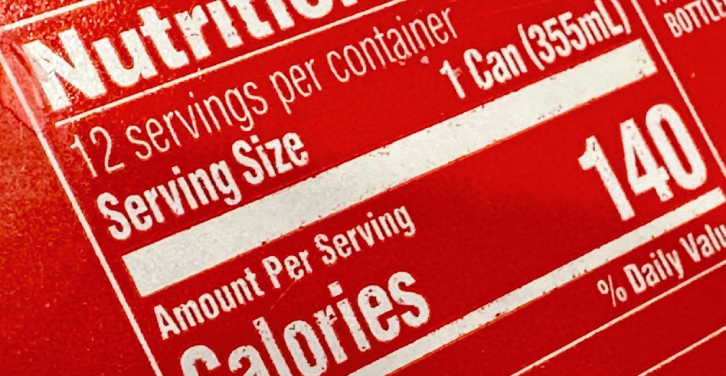
A standard 12-fluid-ounce (355 ml) can of Coca-Cola contains 140 calories. These calories come entirely from carbohydrates, specifically sugar. There is no fat, no protein, and no dietary fiber.
The carbohydrate content in that same can totals 39 grams of sugar. Since each gram of carbohydrate provides approximately 4 calories, the math aligns:
39 grams × 4 calories per gram = 156 calories (rounded and adjusted by labeling standards to 140 calories listed on the can).
Nutrition labels in the United States follow FDA rounding rules, which explains minor variations between calculated and displayed totals.
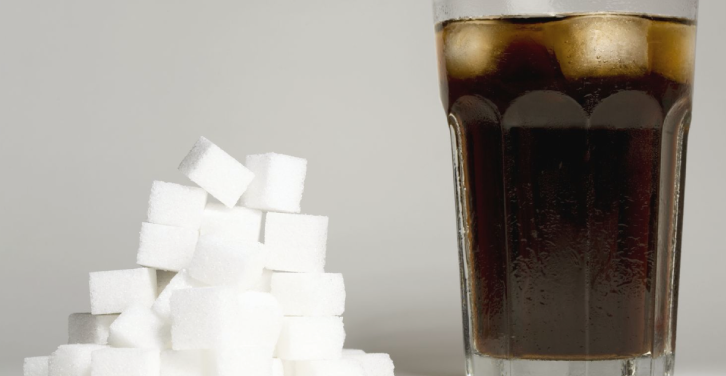
For context, 39 grams of sugar equates to nearly 10 teaspoons. That figure often resonates more clearly than the calorie number itself, because teaspoons translate more directly into everyday kitchen measurements.
What Type of Sugar Is in Coke?
In the United States, Coca-Cola is sweetened primarily with high-fructose corn syrup (HFCS), while in many other countries it is sweetened with sucrose (table sugar). Calorie content remains largely the same regardless of sweetener source, since both HFCS and sucrose deliver approximately 4 calories per gram.
Sucrose is composed of glucose and fructose bonded together. High-fructose corn syrup contains a similar mix of free glucose and fructose molecules. From a caloric standpoint, the body processes both in comparable ways, though metabolic debates about fructose absorption and liver metabolism continue among researchers.
For the average consumer counting calories, the distinction rarely changes the number on the label. A can remains 140 calories, whether sweetened with cane sugar or corn syrup.
Liquid Calories and Satiety
One of the most significant nutritional considerations surrounding soda is not merely the calorie total, but the way those calories are consumed. Liquid calories tend to produce less satiety than solid food. Drinking 140 calories does not typically reduce hunger to the same extent as eating 140 calories in whole food form.
Research in nutrition science consistently demonstrates that beverages containing sugar do not trigger the same fullness signals as foods requiring chewing and digestion. The result is often additive intake — the soda calories are consumed in addition to regular meals rather than replacing them.
To illustrate, 140 calories could also come from:
- A small banana and a handful of almonds
- Two boiled eggs (slightly higher, but protein-dense)
- A cup of plain Greek yogurt
Each of these options offers protein, fiber, or micronutrients that contribute to satiety. A can of Coke provides rapid glucose absorption without accompanying nutrients.
How It Fits Into Daily Calorie Needs
Caloric requirements vary by age, sex, activity level, and metabolic rate. An average adult might require between 1,800 and 2,400 calories per day. In that context, 140 calories represents approximately 6–8% of daily intake.
That percentage appears modest until frequency is considered. One can per day equals:
140 calories × 7 days = 980 calories per week
140 calories × 30 days ≈ 4,200 calories per month
Since roughly 3,500 calories equate to one pound of body weight, consistent daily soda consumption may contribute to gradual weight gain if not balanced by reduced intake elsewhere or increased physical activity.
This arithmetic does not account for additional servings. Many restaurant fountain drinks exceed 12 ounces. A 20-ounce bottle of Coke contains about 240 calories and 65 grams of sugar.
Portion size quietly reshapes the narrative.
Variations: Diet, Zero Sugar, and Mini Cans
Coca-Cola offers several variations that alter the calorie profile:
- Diet Coke: 0 calories
- Coke Zero Sugar: 0 calories
- 7.5-ounce mini can of Coke: 90 calories
- 20-ounce bottle: ~240 calories
Diet and Zero Sugar versions use artificial or non-nutritive sweeteners such as aspartame or acesulfame potassium. These provide sweetness without caloric contribution. For individuals focused strictly on calorie reduction, these alternatives eliminate energy intake from sugar.
However, calorie elimination does not necessarily resolve broader dietary questions. Some consumers prefer to reduce sweet taste exposure altogether rather than substitute sweeteners. Others prioritize moderation over elimination.
The mini can has gained popularity because it offers portion control without switching to artificial sweeteners. Ninety calories remains significant but lower than 140, and the smaller volume may satisfy occasional cravings.
Sugar Guidelines and Health Recommendations
The American Heart Association recommends limiting added sugar intake to:
- No more than 25 grams (6 teaspoons) per day for women
- No more than 36 grams (9 teaspoons) per day for men
A single can of Coke exceeds the recommended daily added sugar limit for women and nearly reaches the limit for men.
Calorie count alone does not tell the full story; sugar density influences blood glucose response, insulin release, and long-term metabolic health. Frequent high sugar intake has been associated with increased risk of obesity, type 2 diabetes, fatty liver disease, and dental decay.
That does not mean an occasional can of Coke inevitably leads to disease. Dietary patterns operate over time. The issue emerges when sugary beverages become habitual rather than occasional.
Comparing Coke to Other Beverages
To better understand its caloric position, consider a few common beverage comparisons (per 12 ounces):
- Coca-Cola: 140 calories
- Orange juice: ~150–160 calories
- Sweetened iced tea: 120–180 calories
- Whole milk: ~180 calories
- Black coffee: 0–5 calories
Fruit juice, often perceived as healthier, contains similar calories but may include small amounts of vitamins and minerals. Still, juice lacks fiber and can spike blood sugar similarly to soda.
Water, unsweetened tea, and black coffee provide hydration without caloric load. The nutritional conversation therefore extends beyond Coke alone to the broader category of sugar-sweetened beverages.
Metabolism and Energy Balance
Calories represent units of energy. Whether consumed from soda, bread, or fruit, excess energy beyond the body’s needs may be stored as fat. The metabolic handling of fructose in large amounts has drawn scientific scrutiny, particularly regarding liver fat accumulation.
Fructose is metabolized primarily in the liver. When intake exceeds immediate energy demands, it may contribute to de novo lipogenesis — the creation of fat from carbohydrates. The extent to which moderate soda intake affects this process varies depending on overall diet and activity levels.
Active individuals with high caloric expenditure may accommodate occasional sugary beverages without measurable weight gain. Sedentary individuals consuming surplus calories face greater risk of accumulation.
Cultural and Behavioral Context
Coca-Cola occupies a powerful cultural space. It is tied to celebrations, cinema outings, sporting events, and fast-food meals. For many, it evokes nostalgia rather than nutritional calculation.
That emotional association complicates dietary decision-making. Eliminating soda entirely can feel disproportionate if consumption is occasional. Conversely, routine consumption can occur almost unconsciously — a can with lunch, another during work, perhaps a third at dinner.
Behavioral nutrition often emphasizes awareness over restriction. Tracking beverage calories for a week frequently reveals patterns that had gone unnoticed.
Is One Can a Problem?
For a healthy adult maintaining energy balance, an occasional 140-calorie soda is unlikely to cause harm. Health concerns arise from frequency, cumulative intake, and substitution patterns — replacing water or nutrient-dense beverages with sugar-sweetened alternatives.
Moderation remains a pragmatic approach. Some individuals choose to limit soda to social settings. Others opt for smaller portions. Still others replace daily soda habits with sparkling water flavored naturally.
Nutrition rarely operates in absolutes. The body responds to patterns.
Frequently Asked Questions
How many calories are in a 12-ounce can of Coke?
A standard 12-ounce (355 ml) can of Coca-Cola contains 140 calories, all from sugar.
How much sugar is in a can of Coke?
There are 39 grams of sugar in a 12-ounce can, which equals nearly 10 teaspoons.
Is Diet Coke calorie-free?
Yes. Diet Coke contains 0 calories because it uses artificial sweeteners instead of sugar.
How many calories are in a 20-ounce bottle of Coke?
A 20-ounce bottle contains approximately 240 calories and about 65 grams of sugar.
Can drinking one Coke a day cause weight gain?
If the extra 140 calories are not offset by reduced intake elsewhere or increased activity, consistent daily consumption may contribute to gradual weight gain over time.