

Physical standards in the military are rarely symbolic. They determine eligibility, career progression, and, in some cases, retention. Among those standards, the Army height and weight requirement remains one of the most widely discussed and often misunderstood measurements. It is commonly reduced to a simple chart comparison, yet behind that chart sits a structured evaluation process that intersects with body composition science, performance expectations, and administrative policy.
An Army height weight calculator, whether accessed online or referenced through official charts, functions as a screening tool. It does not measure physical fitness, combat readiness, or endurance directly; rather, it evaluates whether a soldier’s body weight falls within an acceptable range for their height, age, and gender. When weight exceeds the prescribed limits, the assessment shifts to body fat percentage measurements through what is known as the “tape test.”
Understanding how the calculator works — and what it does not measure — helps clarify its role in military service.
How the Army Height and Weight Standard Works
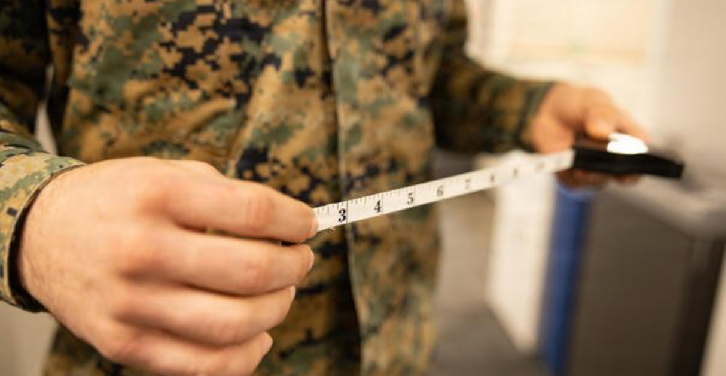
The U.S. Army establishes height and weight standards under Army Regulation 600-9, commonly referred to as the Army Body Composition Program (ABCP). These standards apply to enlisted soldiers, officers, and recruits. The purpose is administrative consistency and health accountability rather than aesthetic conformity.
The process unfolds in two steps:
- Height and Weight Screening
A soldier’s height is measured without shoes, standing upright against a standardized stadiometer. Weight is measured using a calibrated scale. The values are then compared to official Army charts.
If the individual falls within the allowable weight range for their height and age group, the evaluation ends there. - Body Fat Assessment (Tape Test)
If weight exceeds the maximum allowed threshold, the Army conducts a circumference-based body fat measurement, commonly called the tape test. This method estimates body fat percentage using neck and waist measurements for men, and neck, waist, and hips for women.
The Army permits higher body fat percentages as age increases, acknowledging metabolic shifts and physiological changes over time. For example, a younger male soldier may face stricter percentage limits than someone in an older age bracket.
An online Army height weight calculator typically mirrors the first screening step, using height and age to determine the maximum allowable weight. It provides an estimate of compliance before formal measurement occurs.
Why Height and Weight Standards Exist
Military readiness demands sustained endurance, mobility under load, and resilience under stress. Excess body weight, particularly when associated with elevated body fat levels, may affect performance, increase injury risk, and complicate medical readiness.
The Army’s interest in body composition extends beyond battlefield performance. Long-term health costs, deployability, and uniform standards all factor into policy decisions. Soldiers must remain capable of meeting physical training benchmarks, passing the Army Combat Fitness Test (ACFT), and deploying without preventable medical limitations.
Height and weight standards function as an administrative checkpoint within a broader system of readiness evaluation. They do not replace fitness testing; rather, they operate alongside it.
The Tape Test: Precision and Debate
The tape test has generated discussion among service members and fitness professionals alike. Its methodology relies on circumference measurements that feed into standardized formulas estimating body fat percentage. While practical and inexpensive, the method does not measure body composition with the precision of DEXA scans or hydrostatic weighing.
Critics argue that the test may favor individuals with larger neck circumferences while penalizing lean, muscular soldiers whose weight exceeds chart limits due to muscle mass. Supporters emphasize its logistical efficiency and consistency across large populations.
In response to ongoing evaluation, the Army periodically reviews its body composition policies. Adjustments to acceptable body fat percentages and assessment protocols reflect evolving research and institutional priorities.
For soldiers near the maximum allowable weight, understanding how the tape test works can make a measurable difference. Neck posture, tape placement, and proper breathing during measurement influence results. Because assessments follow standardized procedures, deviations can affect compliance outcomes.
Age, Gender, and Allowable Variations
The Army categorizes standards by age groups, generally divided into brackets such as 17–20, 21–27, 28–39, and 40 and above. As age increases, allowable body fat percentages typically rise modestly.
Gender distinctions remain part of the regulation, reflecting physiological differences in fat distribution and composition. Female soldiers are measured at the hips in addition to the waist and neck, and body fat thresholds differ accordingly.
The height weight calculator integrates these variables automatically when designed accurately. However, unofficial tools may rely on outdated standards, which can mislead prospective recruits. Cross-checking with current Army regulations remains advisable.
What Happens if a Soldier Fails the Standard
Failing the height and weight screening does not automatically result in separation from service. Instead, the soldier enters the Army Body Composition Program. This structured program includes:
- Nutritional counseling
- Supervised fitness improvement plans
- Regular progress evaluations
- Administrative oversight
Commanders monitor compliance timelines. Continued failure to meet standards after designated improvement periods can affect promotions, assignments, and retention.
The Army distinguishes between medical conditions and noncompliance. If an underlying medical issue contributes to weight gain, medical evaluation may alter administrative consequences.
Recruitment Implications
For prospective recruits, height and weight standards determine initial eligibility. Exceeding weight limits requires either meeting body fat standards through the tape test or reducing weight before enlistment.
Recruiters often encourage candidates to use a reliable Army height weight calculator in advance. Doing so prevents surprises during processing at the Military Entrance Processing Station (MEPS). Candidates who narrowly exceed limits may delay shipping dates to allow additional conditioning.
Physical preparation for enlistment involves more than reaching a target number on a scale. Building endurance, muscular strength, and cardiovascular capacity remains equally important for success in basic training.
Common Misconceptions About the Calculator
Several misconceptions persist:
- The Calculator Measures Fitness
It does not. Fitness is assessed separately through performance testing. - Muscle Mass Is Penalized Automatically
Not entirely. While muscular individuals may exceed weight charts, the tape test often accounts for lean mass through neck measurements. - Standards Are Identical Across All Branches
Each military branch sets its own policies. The Army’s standards differ from those of the Navy, Air Force, Marine Corps, and Space Force. - Passing Once Means Permanent Compliance
Soldiers undergo periodic evaluations. Maintaining standards is an ongoing requirement.
How to Use an Army Height Weight Calculator Properly
When using an online calculator:
- Enter accurate height without rounding upward.
- Use current age bracket standards.
- Confirm the tool reflects the most recent Army regulations.
- Understand that it provides a screening estimate, not final determination.
For individuals approaching maximum limits, incorporating structured resistance training and disciplined nutritional planning may help reduce body fat percentage without compromising strength.
Health Beyond Compliance
Although administrative compliance remains the immediate concern, long-term physical conditioning extends beyond chart numbers. Soldiers who maintain balanced nutrition, regular cardiovascular conditioning, and resistance training often perform better during field exercises and recover more efficiently from strain.
The height weight calculator serves as a checkpoint rather than a comprehensive health indicator. Its role is procedural. True readiness depends on a broader integration of endurance, resilience, and sustained conditioning.
Frequently Asked Questions
- Is the Army height weight calculator accurate?
Yes, if it uses current Army Regulation 600-9 standards. It accurately reflects the screening chart, though final determinations may involve the tape test. - What if I exceed the weight limit but am very muscular?
You may still qualify by passing the body fat percentage assessment through the tape test. - How often are soldiers weighed?
Units conduct periodic assessments, typically during routine fitness evaluations or as directed by command. - Can medical conditions affect compliance?
Yes. Documented medical conditions may influence administrative decisions, though formal evaluation is required.
5. Do height and weight standards apply during deployment?
Yes. Soldiers are expected to maintain standards throughout service, including deployment cycles.