

Weight management is often discussed in emotional or aesthetic terms, yet at its core it is governed by measurable physiological principles. A calorie deficit, defined as consuming fewer calories than the body expends, remains the primary mechanism through which fat loss occurs. The difficulty lies not in the concept itself, but in applying it with precision, realism, and sustainability. Setting a calorie deficit calculator correctly requires more than entering a few numbers into an online tool; it demands an understanding of metabolism, activity levels, body composition, and behavioral patterns.
An accurate setup transforms a calculator from a rough estimate into a practical framework. A careless setup, by contrast, produces frustration, stalled progress, and unnecessary restriction.
Understanding Energy Balance and Basal Metabolism
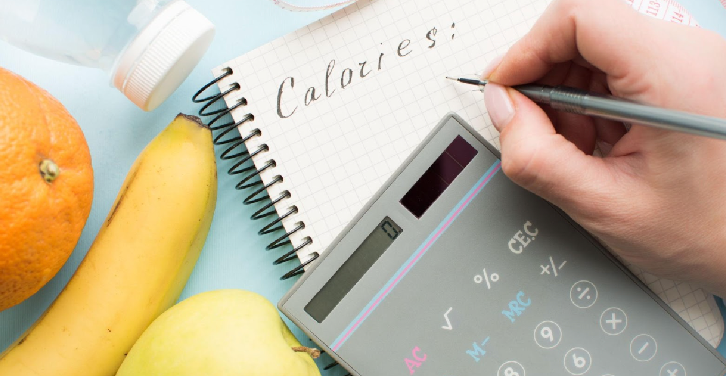
Every calorie deficit calculation begins with Total Daily Energy Expenditure (TDEE), which represents the number of calories your body burns in a day. TDEE consists of four primary components:
- Basal Metabolic Rate (BMR) – calories required to sustain basic physiological functions at rest
- Physical activity – structured exercise
- Non-exercise activity thermogenesis (NEAT) – daily movement such as walking or household tasks
- Thermic effect of food – energy required for digestion
A calculator estimates BMR using formulas such as Mifflin-St Jeor, which considers age, sex, height, and weight. Although body fat percentage can improve precision, many individuals rely on standard inputs.
To set a calorie deficit calculator properly, begin with accurate data:
- Current body weight (in kilograms or pounds, consistent with the calculator)
- Height
- Age
- Biological sex
- Estimated body fat percentage, if known
- Realistic activity level
Activity level is often misjudged. Someone who trains three times per week but works at a desk for eight hours daily may fall closer to “lightly active” than “moderately active.” Overestimating activity inflates TDEE, which can eliminate the intended deficit.
Once TDEE is calculated, the deficit can be applied.
Choosing the Right Deficit Size

A deficit of 500 calories per day has long been associated with losing approximately one pound (0.45 kg) per week, based on the premise that 3,500 calories equal roughly one pound of body fat. While this estimate offers a convenient guideline, human physiology is more nuanced.
Deficit size should reflect:
- Current body weight
- Body fat percentage
- Training experience
- Hormonal health
- Stress levels
- Sleep quality
For individuals with higher body fat percentages, a 20–25% reduction from TDEE is often tolerable without excessive fatigue. Leaner individuals typically require a smaller deficit, closer to 10–15%, to preserve muscle mass and hormonal stability.
For example:
- TDEE: 2,400 calories
- 15% deficit: 2,040 calories
- 20% deficit: 1,920 calories
Extreme deficits may produce faster initial scale changes but often compromise adherence, training performance, and metabolic efficiency. Sustainable fat loss favors consistency over aggression.
Setting Macronutrient Targets
A calorie deficit alone determines weight loss, yet macronutrient distribution influences body composition, hunger control, and energy levels.
A practical framework includes:
Protein:
1.6–2.2 grams per kilogram of body weight, particularly important during a deficit to preserve lean mass.
Fat:
Approximately 20–30% of total daily calories to support hormonal function.
Carbohydrates:
The remaining calories after protein and fat are allocated, adjusted based on activity level and training demands.
Example for a 2,000-calorie target:
- Protein: 150g (600 calories)
- Fat: 60g (540 calories)
- Carbohydrates: 215g (860 calories)
The calculator may not automatically assign optimal macronutrients, so manual adjustment is often necessary.
Accounting for Adaptive Metabolism
Calorie deficit calculators provide starting points, not permanent prescriptions. As body weight decreases, energy expenditure declines. This occurs for several reasons:
- Reduced body mass
- Lower resting metabolic rate
- Decreased spontaneous movement
- Hormonal adjustments
A deficit that initially produces steady fat loss may eventually slow. Rather than immediately cutting calories further, evaluate consistency, tracking accuracy, and changes in physical activity.
Recalculation every 4–6 weeks, based on updated body weight, maintains precision.
Tracking Intake Accurately
Setting the calculator correctly becomes meaningless without reliable tracking. Common sources of error include:
- Underestimating portion sizes
- Forgetting liquid calories
- Ignoring cooking oils
- Misreading food labels
Using a digital kitchen scale improves consistency. Measuring by volume (cups or tablespoons) introduces variability. Packaged foods should be weighed rather than relying on stated serving sizes.
Consistency matters more than perfection. Aiming for 90% accuracy produces meaningful results.
Integrating Exercise Into the Deficit
Exercise should complement, not compensate for, dietary control. Many calculators add back estimated exercise calories, yet wearable devices often overestimate expenditure.
A conservative approach:
- Set calorie intake based on baseline TDEE without adding exercise calories.
- Maintain steady intake on training and rest days initially.
- Adjust only if performance declines significantly or fat loss stalls.
Resistance training supports muscle retention during a deficit. Cardiovascular exercise increases calorie expenditure but should not replace dietary control.
Psychological Sustainability
Aggressive calorie restriction often triggers cycles of strict adherence followed by overeating. Hunger, irritability, and decreased concentration signal that the deficit may be too severe.
Practical strategies include:
- High-fiber vegetables to increase satiety
- Adequate protein distribution across meals
- Structured meal timing
- Flexible dieting approaches that allow moderate indulgences
A calorie deficit that disrupts sleep, social life, and mental clarity rarely endures.
Monitoring Progress Beyond the Scale
Scale weight fluctuates daily due to hydration, glycogen storage, sodium intake, and hormonal cycles. Evaluating weekly averages provides clearer insight.
Additional metrics:
- Waist circumference
- Progress photos
- Strength levels
- Energy and recovery
A properly set calorie deficit calculator should produce measurable changes over several weeks, not overnight transformations.
When to Adjust the Calculator
Adjustments become necessary when:
- Weight loss stalls for 2–3 consecutive weeks
- Training performance declines sharply
- Hunger becomes unmanageable
- Body composition changes plateau
Adjustments can include:
- Reducing calories by 100–150 per day
- Increasing daily steps
- Rebalancing macronutrients
Minor refinements often produce better outcomes than drastic reductions.
Frequently Asked Questions
- How do I calculate my calorie deficit manually?
First calculate your TDEE using a BMR formula and activity multiplier. Then reduce calories by 10–25% depending on your goal and body composition. - How large should my calorie deficit be for fat loss?
Most individuals benefit from a 10–20% deficit. Larger deficits may increase fatigue and muscle loss. - Should I eat back exercise calories?
Generally, avoid eating back full estimated exercise calories, as trackers often overestimate expenditure. - How often should I update my calorie calculator settings?
Recalculate every 4–6 weeks or after significant weight changes. - Why am I not losing weight in a calorie deficit?
Common causes include inaccurate tracking, overestimated activity level, metabolic adaptation, or inconsistent adherence.